
If you’ve ever picked up a pair of leather shoes and wondered exactly what you’re holding — you’re not alone. Leather shoes are one of the oldest and most popular types of footwear in the world, but most people don’t really know what goes into making them. This simple guide breaks it all down for you.
What Is Leather, Exactly?
Leather is animal skin that has been treated to make it strong, soft, and long-lasting. The treatment process is called tanning. Without tanning, animal skin would dry out, crack, and rot quickly.
Most leather comes from cow hide. But it can also come from goats, pigs, sheep, and even exotic animals like crocodiles or ostriches. For everyday shoes, cow leather is the most common by far.
The Main Parts of a Leather Shoe
A leather shoe isn’t just one piece of material. It’s built from several different parts, and each one may use a different material — or even a different type of leather.
The Upper
The upper is the top part of the shoe — everything above the sole. This is usually where you see the leather most clearly. Good-quality uppers use full-grain or top-grain leather (more on those types in a moment).
The Insole
The insole is the layer inside the shoe that your foot rests on. In quality leather shoes, the insole is often made from leather too. It absorbs sweat, molds to your foot shape over time, and makes the shoe more comfortable the more you wear it.
The Outsole
The outsole is the very bottom of the shoe — the part that touches the ground. It can be made from leather, rubber, or a combination of both. Leather outsoles look elegant and breathe well, but rubber outsoles last longer and grip better on wet surfaces.
The Welt
The welt is a strip of leather that connects the upper to the outsole. Not every shoe has one, but high-quality dress shoes often do. Shoes with a Goodyear welt are considered especially durable and can be resoled multiple times.
The Lining
The lining is the inside layer of the upper. It sits against your foot. Better shoes use a soft leather lining, while cheaper ones often use synthetic fabric.
Types of Leather Used in Shoes
Not all leather is the same. There are different grades and types, and the quality varies a lot between them.
Full-Grain Leather
This is the highest quality leather you can get. It comes from the top layer of the hide and keeps all the natural grain intact. Full-grain leather is tough, breathes well, and develops a beautiful patina (a rich, aged look) over time. Most premium dress shoes use this.
Top-Grain Leather
This is the second-best option. The surface is lightly sanded to remove imperfections. It’s still good quality leather, but it doesn’t age as beautifully as full-grain and isn’t quite as durable long-term.
Genuine Leather
Despite the name, “genuine leather” is actually lower quality. It’s made from the leftover layers after the top grain is removed. It’s thinner and weaker. Many budget shoes use genuine leather, and they tend to wear out faster.
Bonded Leather
This is the lowest grade. It’s made by grinding up leather scraps and bonding them together with glue. It can look like real leather at first, but it peels and flakes quickly. Avoid this if you want shoes that last.
Suede and Nubuck
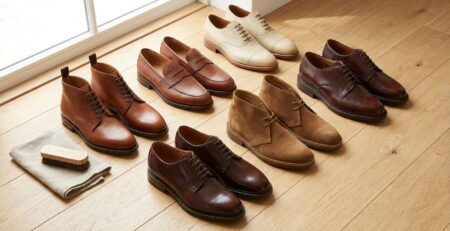
Suede is made from the inner split of the hide. It’s soft and flexible but not as water-resistant as full-grain leather. Nubuck is similar but comes from the outer surface, making it slightly tougher. Both have that velvety texture that many people love in casual shoes.
How Are Leather Shoes Made?
Making leather shoes involves quite a few steps. Here’s a simple look at the process:
- Cutting: The leather is cut into the different parts of the shoe — upper panels, insole, lining, etc.
- Stitching the upper: The cut pieces are stitched together to form the upper part of the shoe.
- Lasting: The upper is stretched over a foot-shaped mold called a last. This gives the shoe its shape.
- Attaching the insole: The insole is attached to the bottom of the last.
- Attaching the outsole: The outsole is stitched or glued on. In welted shoes, it’s stitched through the welt.
- Finishing: The edges are trimmed, the surface is polished, and any final details are added.
In handmade or high-end shoes, many of these steps are done by skilled craftspeople. In mass-produced shoes, machines handle most of the work.
Why Does the Material Matter?
The materials used in your shoes directly affect how long they last, how comfortable they feel, and how good they look over time.
Full-grain leather shoes, for example, can last 10 to 20 years with proper care. They also look better with age. Shoes made from bonded leather or synthetic materials might fall apart in a year or two.
Are There Leather Alternatives?
Yes. As more people look for animal-free options, shoe brands have started using alternative materials that look and feel similar to leather.
Some popular alternatives include:
- Microfiber synthetic leather — durable and water-resistant, used in many modern shoes
- PU leather (polyurethane) — affordable and vegan, but doesn’t breathe as well
- Apple leather and cactus leather — newer plant-based options that are gaining popularity
These alternatives can be a good choice depending on your needs and values, but for long-term durability, real leather still holds the edge.
Frequently Asked Questions
What is the best type of leather for shoes?
Full-grain leather is the best type for shoes. It’s the most durable, breathes well, and looks great over time. It costs more upfront, but it lasts far longer than cheaper types of leather.
How can I tell if my shoes are made of real leather?
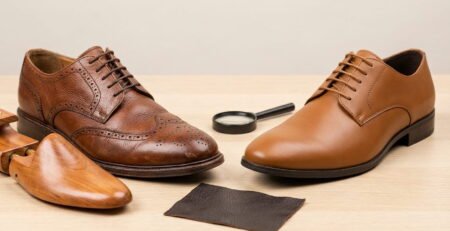
Check the label first. Real leather will usually say “genuine leather,” “full-grain leather,” or “top-grain leather.” You can also do a quick test — press your fingernail lightly into the surface. Real leather will wrinkle slightly, like skin. Fake leather stays smooth.
Do leather shoes need special care?
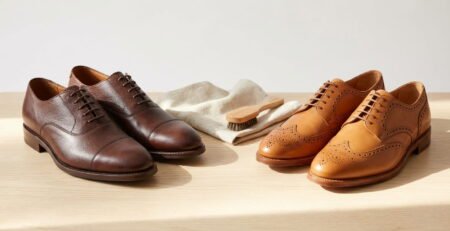
Yes, a little care goes a long way. Clean them regularly with a soft cloth, apply a leather conditioner every few months to keep the leather soft, and use a shoe polish to maintain the color and shine. Store them with shoe trees to help them keep their shape.
Now that you know what leather shoes are made of, you’re in a much better position to pick the right pair for your needs. Whether you’re buying your first dress shoe or just curious about what’s on your feet, understanding the materials helps you shop smarter and take better care of what you own.

Leave a Reply