
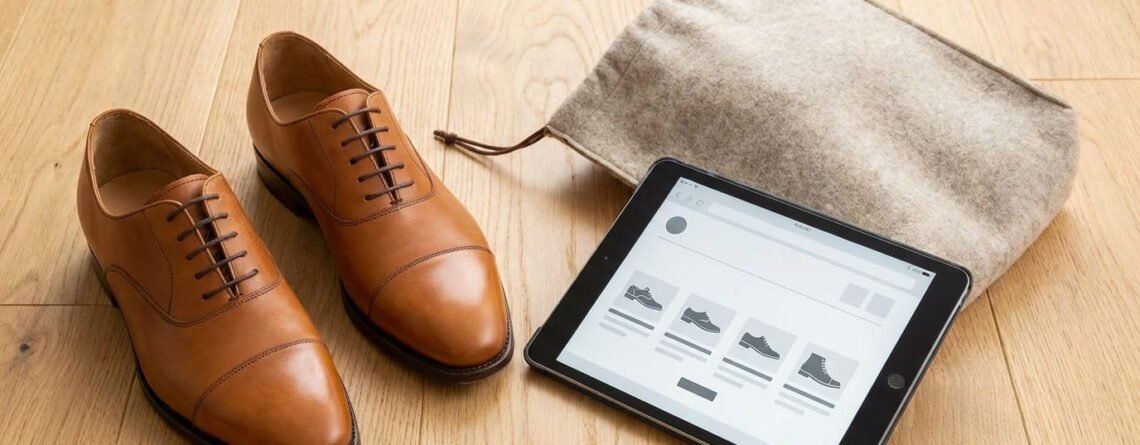
Shopping for leather shoes online can save you time and money — but it also opens the door to misleading listings, fake leather marketed as real, and shoes that look nothing like the photos when they arrive. The good news is that getting cheated is very avoidable once you know exactly what to look for. This guide gives you a practical, no-nonsense checklist for buying leather shoes online with confidence.
Why Online Leather Shoe Shopping Goes Wrong
The problems with buying leather shoes online almost always come down to one of three things: vague product descriptions that hide what the shoes are actually made of, misleading photos that make cheap materials look premium, and sellers who rely on buyers not knowing the difference.
You don’t need to be a leather expert to protect yourself. You just need to know the right questions to ask — and the right places to look for honest answers — before you click buy.
Rule 1: Read the Materials Section, Not Just the Title
The Title Is Marketing — the Materials Section Is the Truth
A product title might say “Men’s Premium Leather Oxford Shoes” — but the word “leather” in a title means nothing on its own. Scroll past the headline, the main photos, and the marketing copy. Find the materials or specifications section and read it carefully.
Look for specific leather grades like full-grain leather, top-grain leather, or genuine leather in the upper material field. If the materials section says “man-made upper,” “synthetic upper,” “PU upper,” “faux leather,” or simply “leather look,” the shoes are not real leather — regardless of what the title says.
If the materials section is missing entirely, or if it only describes the sole and lining without mentioning the upper material — treat that as a red flag and ask the seller directly before buying.
Rule 2: Examine Every Photo Carefully
Photos Tell You More Than the Description — If You Know What to Look For
Good product photos are one of the most honest signals about leather quality — because real leather has a texture and depth that is genuinely difficult to fake in photographs.
When reviewing product photos, look for these signs of real leather. The surface should show slight natural variation — small grain differences, subtle texture irregularities. Real leather never looks perfectly uniform across the entire shoe. The edges of the shoe — around the sole and collar — should look fibrous or slightly rough, not smooth and plastic-clean. The overall surface should have a matte or semi-matte depth to it, not a uniform glossy sheen that looks printed or laminated.
Zoom into the toe box and sides of the shoe in every available photo. Cheap synthetic leather almost always looks too perfect — the grain pattern repeats uniformly, the surface looks flat and plastic, and there’s no visible depth or character to the material.
Look for Photos of the Shoe’s Interior and Edges
Reputable sellers of genuine leather shoes are usually happy to show the inside of the shoe — the lining, the insole, and the edge where the upper meets the sole. These areas reveal a lot about actual construction quality.
A leather or leather-lined insole is a mark of quality. The edge of the upper where it meets the sole should look like cut leather — slightly fibrous and natural. If a seller only shows glamour shots of the outside of the shoe from flattering angles, and nothing else, ask for more photos before buying.
Red Flags That Should Stop You From Buying
🚩 Stop and Think Before Buying If You See These
- The price is suspiciously low for “genuine leather”: Quality leather shoes cost money to produce. A pair claiming to be full-grain leather for the price of a fast-food meal is almost certainly not real leather. If a deal seems too good to be true, it almost always is.
- The materials section is missing or vague: Any listing that doesn’t clearly state the upper material is hiding something. Real leather sellers are proud to say so — they have no reason to be vague.
- The title uses “leather-look,” “leather-style,” or “faux leather”: These are polite ways of saying the shoes are synthetic. Some sellers are honest about this — but many use these terms buried in the description while leading with “leather” in the title.
- All photos are studio shots from the same angle: Limited photos from a single flattering angle hide construction quality. Good sellers show multiple angles, close-up texture shots, and interior details.
- No clear return or refund policy: Sellers who know their product doesn’t match the description often make returns deliberately difficult. Always check the return policy before buying.
- Reviews mention peeling, cracking, or “not as described”: Customer reviews are the most honest information on any product page. Filter for one and two-star reviews specifically and read them carefully.
- The seller has no track record or very few reviews: New sellers on platforms like Amazon or eBay with no review history are a higher risk for misrepresented products. Look for established sellers with a substantial history.
- The listing was recently created but claims many sales: Some fraudulent listings fake sales numbers. A new listing with suspiciously high sales figures and few genuine detailed reviews warrants extra caution.
Green Flags That Tell You a Seller Is Trustworthy
✔ Good Signs You’re Dealing With a Legitimate Seller
- The listing specifically names the leather grade — full-grain, top-grain, or calf leather — not just “leather”
- Multiple photos from different angles including close-ups of the grain, edges, and interior
- A clear, hassle-free return policy with a reasonable window — 30 days minimum
- Detailed, specific product descriptions that explain construction — welt type, sole material, lining material
- Genuine customer reviews that mention leather quality, break-in period, and long-term wear
- A brand with an established website, social media presence, and clear contact information
- Sizing guidance that includes advice on fit — leather shoes that mold to the foot often come with specific fit advice
Rule 4: Research the Brand Before You Buy
Two Minutes of Research Can Save You a Lot of Disappointment
Before buying from any brand you haven’t heard of, do a quick search. Look up the brand name alongside words like “review,” “quality,” or “real leather.” Check if they have a proper website with clear brand information — not just a marketplace listing. Look for independent reviews on shoe forums, fashion blogs, or YouTube rather than relying only on reviews on the seller’s own page.
Well-established leather shoe brands — whether budget-friendly or premium — generally have a clear reputation that’s easy to verify. If a brand has almost no online presence outside of a single marketplace listing, that is worth noting before committing your money.
Rule 5: Read Customer Reviews the Right Way
Don’t Just Look at the Star Rating — Read the Words
A product with a 4.2-star average can still be a poor choice if the negative reviews consistently mention the same problems. Always filter reviews to show the lowest ratings first and read them carefully. Look for any mention of peeling, cracking, not matching the description, or the leather feeling thin and plastic-like.
Also look at the positive reviews critically. Generic five-star reviews that say only “great shoes, fast shipping” tell you nothing about the leather quality. Detailed positive reviews that describe the break-in period, the smell, the texture, and how the shoes have aged over months are far more trustworthy signals.
On platforms like Amazon, look for reviews marked “Verified Purchase” and filter by those that include photos. Real customer photos of the shoes after wear are far more honest than the professionally staged product images.
Rule 6: Understand Sizing Before You Buy
Leather Shoe Sizing Is Not the Same as Sneaker Sizing
Leather dress shoes and boots often fit differently from the casual shoes and sneakers most people buy online. Leather shoes — especially full-grain leather — start firm and break in over time, molding to the foot. A shoe that feels slightly snug in the toe box at first may become a perfect fit after a few weeks of wear.
Before buying, check whether the brand recommends sizing up or down. Read the sizing notes in the product description and in customer reviews. If you’re between sizes, reviews from buyers with similar foot types are your best guide. Also check if the brand provides a foot measurement guide — reputable leather shoe brands almost always do.
A shoe that fits poorly from the start and has no break-in potential is a sign of low-quality construction. Well-made leather shoes have a clear sizing logic behind them — sellers who know their product can explain it.
Rule 7: Know the Return Policy Before You Click Buy
A Good Return Policy Is a Sign of a Confident Seller
Any reputable seller of genuine leather shoes offers a clear, fair return policy. They know their product is what they say it is and they’re confident you’ll be happy with it — so returns are not something they fear.
Before buying, confirm three things about the return policy. How long do you have to return the shoes — 30 days is standard, anything shorter is a warning sign. Can you return shoes that have been tried on indoors — most legitimate sellers allow this. And who pays for return shipping — free returns are a mark of seller confidence.
If the return policy is buried, vague, or makes returns deliberately difficult — that is a very strong signal that the seller is not confident the shoes will match the description when they arrive.
Your Pre-Purchase Checklist
✔ Run Through This Before Every Online Leather Shoe Purchase
- Materials section confirms specific leather grade — full-grain, top-grain, or genuine leather — not just “leather” or “man-made”
- Multiple product photos including close-up grain texture, shoe edges, and interior lining
- Price is realistic for the leather grade claimed — not suspiciously cheap
- Brand has a legitimate online presence and verifiable reputation beyond the marketplace listing
- Customer reviews are detailed and mention leather quality, texture, and long-term wear — not just star ratings
- Negative reviews have been read and don’t consistently mention peeling, fake leather, or “not as described”
- Sizing guidance is clear and customer reviews confirm fit accuracy
- Return policy allows a minimum of 30 days and covers tried-on shoes
- Seller is verified and has a track record on the platform
What to Do If the Shoes Arrive and Don’t Match the Description
Even with all these precautions, occasionally shoes arrive and clearly aren’t what was described. If that happens, act quickly. Take photos of the shoes immediately on arrival — especially any areas where the material looks clearly synthetic or different from the listing. Contact the seller right away and reference the specific claim in the listing that doesn’t match the product. If the seller is unresponsive or unhelpful, raise a dispute directly with the platform — Amazon, eBay, and most major marketplaces have strong buyer protection for items not as described.
Keep all packaging until you’re sure you’re keeping the shoes. Returning shoes without original packaging is sometimes used as a reason to deny refunds.
Frequently Asked Questions
How can I tell if an online listing is for real leather shoes?
Check the materials section of the product listing — not the title — for specific leather grades like full-grain, top-grain, or genuine leather. If the materials section says “man-made,” “synthetic,” “PU,” or simply doesn’t mention the upper material at all, the shoes are likely not real leather. Look at product photos closely for natural grain variation and fibrous edges — signs of real leather. Read customer reviews for any mention of the leather feeling thin, plastic-like, or peeling after light use.
Is it safe to buy leather shoes on Amazon or eBay?
Yes — with the right precautions. Both platforms have buyer protection policies that cover items not as described, which gives you a safety net. The key is to buy from established sellers with a clear track record, read the materials section carefully rather than relying on the title, and filter customer reviews to read the negative ones before buying. Avoid new sellers with few reviews selling “premium leather” shoes at unusually low prices — these listings carry the highest risk of misrepresentation.
What should I do if my new leather shoes smell like plastic or chemicals?
A strong plastic or chemical smell is one of the most reliable signs that the shoes are synthetic or made from low-grade bonded leather rather than real leather. Real leather has a natural, earthy smell — sometimes mild, sometimes more pronounced, but never chemical or plastic-like. If your shoes arrive smelling strongly of plastic and the materials don’t match what was listed, photograph them, document the smell issue in your return request, and raise a dispute with the seller or platform for item not as described.
Buying leather shoes online doesn’t have to be a gamble. Sellers who offer genuine leather are happy to be specific about it — they have every reason to say so clearly. If a listing is vague, the photos are limited, and the price looks too good, trust your instincts and move on. The right pair is out there, and with this checklist in hand, you’ll know it when you find it.

Leave a Reply