
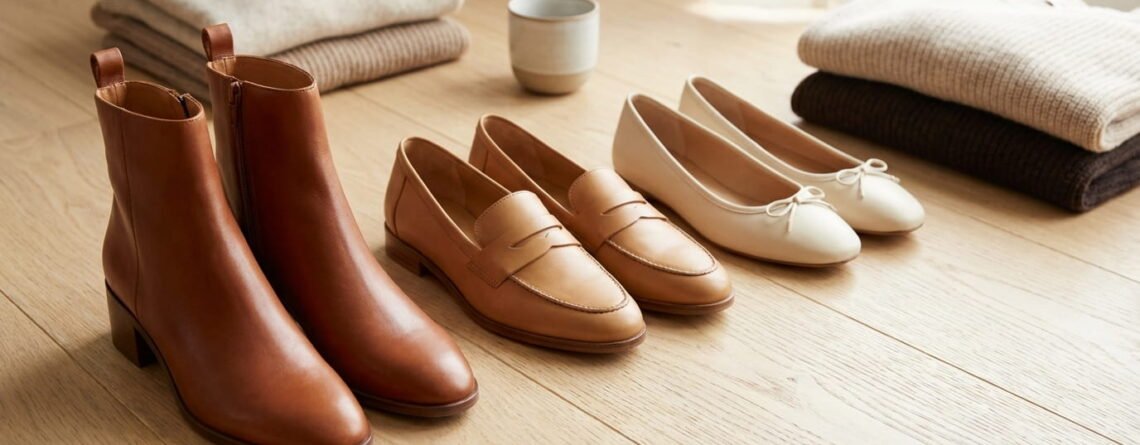
Finding leather shoes that look great and actually feel good to wear is not always easy. There are so many options out there — different styles, heel heights, leather grades, and price points. This guide walks you through everything you need to know so you can buy with confidence and end up with a pair you’ll reach for again and again.
Why Leather Shoes Are a Smart Choice for Women
Leather shoes have stayed popular for a simple reason — they work. They hold their shape, breathe better than synthetic materials, and tend to mold gently to your foot over time, which makes them more comfortable the longer you wear them.
A well-made pair can last 5 to 10 years with proper care. That’s a much better investment than buying a new pair of cheap shoes every season.
Leather also looks polished without much effort. Whether you’re heading to the office, running errands, or going out for dinner, the right leather shoe handles it all without looking out of place.
Types of Leather Shoes Every Woman Should Know
Not all leather shoes are built the same. Knowing the different styles helps you pick the right one for the right occasion.
Ballet Flats
Ballet flats are flat, lightweight, and easy to wear all day. A leather pair looks much more refined than a fabric one and lasts far longer. They work well with dresses, trousers, jeans, and everything in between.
Loafers
Leather loafers have had a major comeback and for good reason — they’re comfortable, stylish, and incredibly versatile. You can wear them with suits, wide-leg trousers, midi skirts, or casual jeans. A great everyday shoe.
Heeled Pumps
A classic leather pump in black or nude is a wardrobe staple. It works for the office, formal events, and evenings out. Look for a heel height you can actually walk in comfortably — a 2 to 3 inch block or kitten heel is a good starting point if you’re on your feet a lot.
Oxford Shoes
Women’s Oxfords have a low heel and a closed lacing system. They look sharp, slightly androgynous, and pair well with tailored outfits. A great option if you want a polished look without any heel.
Ankle Boots
Leather ankle boots are one of the most useful shoes you can own. They work across seasons, dress up or down easily, and protect your feet better than flats in cold or wet weather. Chelsea-style ankle boots with an elastic panel are especially practical.
Mules and Slides
Leather mules are open-back slip-on shoes that look effortlessly put-together. They’re great for warmer months and work well for both casual and smart-casual settings.
What to Look for When Buying Leather Shoes
Before you spend your money, check these things. They make the difference between shoes that last and shoes that disappoint.
- Full-grain leather: The highest quality. Strong, durable, and develops a beautiful patina over time. Worth paying more for.
- Top-grain leather: Slightly processed but still good quality. A solid choice in the mid price range.
- Genuine leather: The lowest grade of real leather. Fine for occasional use, but it won’t age well or last as long.
- Leather lining: A shoe lined with leather inside breathes much better than one with a synthetic lining. Your feet will thank you on long days.
- Sole type: Rubber soles give better grip and durability for daily wear. Leather soles look sleeker but can be slippery on wet surfaces.
- Construction method: Goodyear welt or Blake stitch construction means the shoe can be resoled, which extends its life significantly.
- Toe box width: Make sure there’s enough room for your toes. A too-narrow toe box causes blisters and long-term foot problems.
Comfort vs. Style — Do You Have to Choose?
The good news is that in 2025, you really don’t have to pick one over the other. Brands have gotten much better at building shoes that are both stylish and comfortable.
A few things that affect comfort:
Insole cushioning. Some leather shoes come with padded insoles built in. If yours don’t, a good leather or memory foam insole can make a big difference, especially for flats and pumps.
Heel height and shape. Block heels and wedge heels distribute your weight more evenly than stilettos. If you wear heels to work, a block heel under 3 inches is much easier on your feet and knees over a full day.
Break-in time. Real leather shoes often need a short break-in period. Wearing thick socks around the house for a few evenings helps soften the leather faster without causing blisters.
Best Leather Shoes for Different Occasions
For the Office
A leather pump, Oxford, or loafer in black, tan, or dark brown works best in a professional setting. Keep the toe shape classic — pointed or almond toes look clean and polished. Avoid heavy embellishments for formal workplaces.
For Casual Everyday Wear
Leather loafers, ballet flats, or low-heeled mules are your best friends here. Go for warmer tones like cognac, camel, or tan — they pair easily with most casual outfits and look relaxed without being sloppy.
For Special Occasions
A heeled leather pump or strappy leather sandal in black, nude, or metallics works well for weddings, dinners, and events. Make sure you’ve broken them in before the big day — new shoes at a long event is never a good idea.
For Year-Round Use
If you’re buying just one pair, a dark brown or black leather ankle boot is the smartest investment. It transitions easily from summer dresses to winter trousers and covers you across most occasions.
How Much Should You Spend?
There’s no single right answer, but here’s a practical guide based on how often you’ll wear them:
- Under $80: You’ll find genuine leather or synthetic options. Decent for occasional wear but not built to last years.
- $80 – $180: A good range for everyday shoes. Look for top-grain leather and rubber soles at this price.
- $180 – $400: Full-grain leather, better construction, and longer lifespan. Worth it if you wear leather shoes daily.
- $400 and above: Handcrafted quality with the finest materials. For those who want shoes that last decades with proper care.
How to Take Care of Your Leather Shoes
Good leather shoes only stay good if you look after them. It doesn’t take much time — just a few simple habits.
Wipe them down after each wear. A soft dry cloth removes dust and surface dirt before it settles into the leather.
Condition regularly. Apply a leather conditioner every few weeks to keep the leather soft and prevent cracking. Dry leather deteriorates much faster than moisturized leather.
Polish when needed. Shoe polish restores color, adds shine, and creates a light barrier against water and scuffs. Match the polish color to your shoe.
Use shoe trees. Cedar shoe trees absorb moisture from inside the shoe and help it hold its shape between wears. This one habit alone significantly extends a shoe’s life.
Store them properly. Keep leather shoes in a cool, dry place away from direct sunlight. Sunlight fades the color and dries out the leather over time. If you have the original box or a dust bag, use it.
Top Leather Shoe Brands for Women Worth Considering in 2025
Here are some well-regarded brands across different price points:
- Clarks — Reliable comfort and classic styles. A solid everyday choice, widely available.
- Sam Edelman — Trendy styles at accessible prices. Good entry-level leather options.
- Cole Haan — Known for building comfort technology into classic leather designs. Great for office wear.
- Steve Madden — Fashion-forward styles with a range of real leather options in the mid price range.
- Aetrex — Focuses heavily on comfort and arch support. Good for those who are on their feet all day.
- Everlane — Known for transparency in sourcing. Offers clean, minimal leather flats and loafers at fair prices.
- Tod’s — Italian craftsmanship and premium leather. A top-tier option for those investing in long-term quality.
Frequently Asked Questions
Are leather shoes good for wide feet?
Yes — real leather is one of the best materials for wide feet because it softens and stretches slightly with wear. Look for shoes labeled “wide fit” or “W” width if you need extra room. Loafers and round-toe styles tend to have more space in the toe box than pointed-toe designs.
How do I break in new leather shoes without getting blisters?
Start by wearing them at home for short periods with thick socks. This softens the leather gently. You can also apply a small amount of leather conditioner to tight spots to help them give a little faster. Blister pads on the heel and sides of the foot are also useful during the first few outings.
Can leather shoes get wet, and how do I protect them?
Leather can handle light moisture, but it’s not waterproof. Apply a water-resistant spray before wearing them in wet conditions. If your shoes do get soaked, let them air dry naturally — never use a heater or hairdryer. Once dry, apply conditioner to restore moisture to the leather. Repeated soaking without care will cause the leather to crack over time.
The right pair of leather shoes can carry you through years of wear and still look great. Focus on the right style for your daily life, invest in good leather and solid construction, and take a few minutes to care for them regularly. It really is that simple — and your feet will notice the difference.

Leave a Reply